
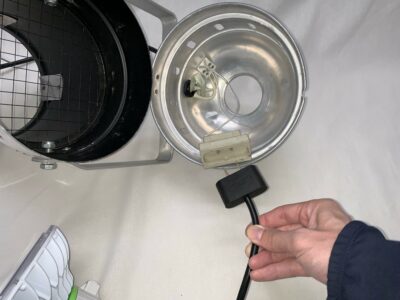
Type A vs. Type B LED Lights When upgrading an existing lighting system, the difference between ballast-compatible and direct-wire LED lamps is more than a technical distinction; it is a strategic decision with long-term implications for installation, maintenance, safety, and energy use. Fluorescent and CFL fixtures are still common in many commercial and institutional buildings. Replacing them with LEDs is…
Category Archives: Terminology
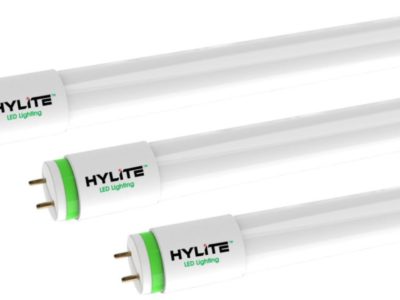
Tips For Buying T8 Bulbs For too long, fluorescent lamps were the sole option for low-energy recessed lighting. Fortunately, LED technology has grown and developed, resulting in fundamental changes in the lighting industry. You can replace old fluorescent tubes with LED tubes without replacing the entire housing. LED tube lights generally come in lengths ranging from 2 to 8 feet…

When shopping for LED lights, one term you will come across often is the term lumen. In fact, on the information panel of an LED light, lumen ratings are often listed first. Lumens are an important measurement in lighting and understanding them will help you choose the right lighting for your needs. Here’s a closer look at what this term…
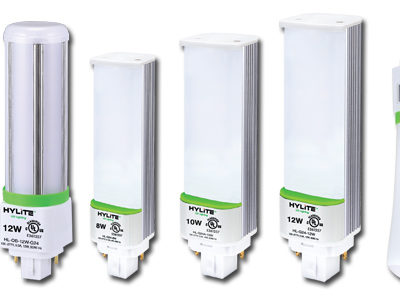
Ballasts are a staple of the fluorescent lighting world, but many property managers and owners are surprised to learn that their CFL bulbs also use ballasts. CFL ballasts can make upgrading to LED lighting more challenging, so understanding how they work is important. Here is a closer look at how a ballast works and why it is needed for a…
 English
 Spanish
 French
 Arabic
 Ukrainian
 Portuguese
 German
 Italian
 Russian
 Dutch
Dutch