
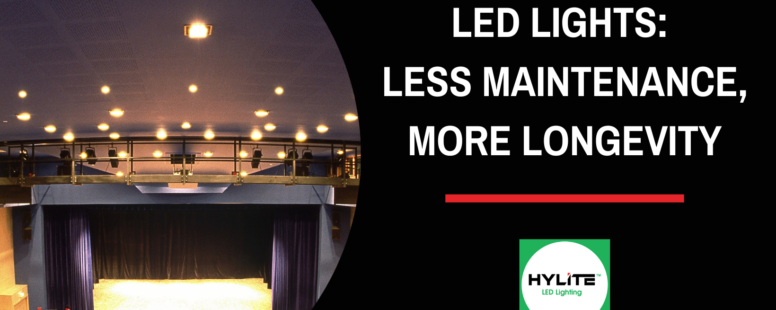
Why LED Lighting Is More Sustainable for Commercial Facilities
Sustainable Commercial LED Lighting & Retrofit Benefits
In a society concerned about energy use for both environmental and economic factors, finding sustainable options for necessities like lighting remains important. LED lighting is a sustainable option that is healthier for the environment.
Here are some reasons why LED lighting is a truly sustainable lighting solution.
1. Low Maintenance Lighting
LED lighting lasts longer and is less prone to damage than many traditional lighting options. Many LED retrofit lamps are designed to reduce maintenance by limiting the need for frequent relamping and, depending on the product and installation method, reducing reliance on older ballast systems. All of this means that LED lighting can require less ongoing maintenance. Once the right lighting is installed, facilities can reduce the energy, labor, and waste associated with frequent replacements.
2. Greater Longevity
While each LED lighting choice has its own rated lifespan, in general, these lights last much longer than many traditional lighting options. Rated life varies by lamp model, operating temperature, fixture conditions, switching cycles, and electrical environment, so the current product specification sheet should always be used when comparing expected lifespan. The longer your light lasts, the less waste you create, and the more environmentally friendly it is.
3. Less Energy Consumption
One of the biggest factors in making LED lighting sustainable is that it uses less energy than many traditional lighting options. They also use less energy than many fluorescent lighting systems. While total energy savings will vary depending on the lighting product, fixture type, hours of operation, and installation conditions, many businesses can significantly reduce energy costs by switching to LED.
LED lights reduce energy consumption in several ways. First, many traditional fluorescent products require a ballast. Ballasts use additional power and can become a maintenance issue over time. Current HyLite LED tube products are designed for multi-mode installation, including ballast-compatible or AC direct operation depending on the product, fixture, and project requirements.
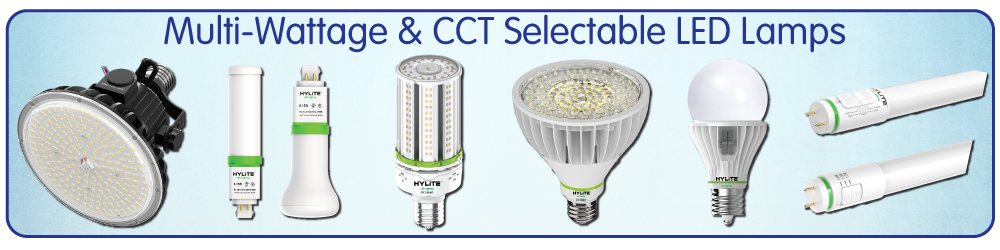
Second, HyLite LED lights are designed to deliver high lumens-per-watt performance. This means facilities can create significant light output with less energy. For example, current HyLite OptiMax LED tube lights offer selectable wattage and color temperature options to help facilities streamline inventory management when replacing traditional fluorescent tube lighting.
Finally, LED lighting offers instant-on lighting. There is no need to let the lights “warm up” until they reach the level you need to use the space. The warming-up process can waste energy, but with LED, you get the full lighting effect the instant you turn on the light.
4. Beam Design to Limit Light Loss
The light emanates 360 degrees around the tube in a tube-style fluorescent light. Even with reflective light fixtures, some of that light energy is lost. You can lose up to 40% of the light. Many of HyLite LED Lighting’s light solutions are designed to focus light more efficiently where it needs to go. This helps reduce light loss, so more energy goes directly to lighting the space.
The right beam pattern depends on the product family and application. Tube lights, CFL replacements, HID replacements, PAR retrofits, and directional lamps should be selected based on the fixture, mounting height, light distribution goal, and current product specifications.
5. Recyclable Lighting Options
Because LED lights are non-toxic, they can be more environmentally responsible than lighting products that contain mercury or other hazardous materials. Many of the parts and components inside can either be reused for lighting or recycled for other uses. This design enhances the sustainability of the lighting by reducing waste from lights at the end of their lifespans.
How Does LED Lighting Help the Environment?
Because LED lighting uses less energy than traditional lighting options, it protects the environment. It also improves luminaire efficiency, which often means you need fewer lights to achieve the same lighting effect. In addition, many LED products last significantly longer than standard lighting, which means less waste.
Do LED Lights Reduce Carbon Footprint?
Yes. Lowering energy bills, improving energy efficiency, and reducing waste all help lower the carbon footprint for businesses that switch to LED bulbs. In addition, these lights are non-toxic, a benefit over fluorescent lights, which further supports the case for making the switch.

What Is the Best Sustainable LED Light to Buy?
The best LED light is the one that delivers the right lumens per watt, has a long projected lifespan for the specific product and installation environment, and meets your specific lighting application.
HyLite LED Lighting offers many sustainable lighting solutions that reduce your energy consumption while meeting your specific lighting needs, from sports lighting to floodlighting and decorative lighting. In addition, these long-lasting lights can reduce energy use and lower the amount of waste you generate, making them a sustainable lighting option.
Choose a Sustainable LED Retrofit Solution
Compare HyLite LED products for fluorescent, CFL, HID, PAR, tube, and specialty commercial retrofit applications.
 English
 Spanish
 French
 Arabic
 Ukrainian
 Portuguese
 German
 Italian
 Russian
 Dutch
Dutch